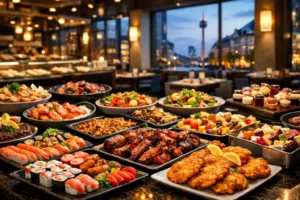
Delivery has reshaped how people access meals, and the cloud kitchen model stands at the center of this change. A cloud kitchen focuses solely on preparing food for delivery, skipping any dine-in space to keep operations sharp and costs low. We see this approach gaining ground across Europe, including Germany, where urban density and apps like Lieferando drive demand for quick, reliable food at home. Operators build brands that exist only online, reaching customers through digital platforms without the burden of a visible storefront.
This model suits entrepreneurs who want to test ideas fast or scale existing concepts. In a cloud kitchen, every step from order receipt to packaging prioritizes speed and quality preservation during transit. Food arrives fresh, packaged to withstand the journey, turning a simple kitchen into a delivery powerhouse. We explore how to run such a brand effectively, drawing on proven structures that balance efficiency with customer satisfaction.
Core Elements of a Cloud Kitchen Setup
A cloud kitchen thrives on streamlined design. The space itself needs commercial-grade equipment: high-output ovens, refrigeration units, and prep stations arranged for workflow. Layout matters deeply; place cooking areas near packing zones to cut movement time. Ventilation systems handle smoke and odors, while sanitation stations ensure hygiene standards meet local regulations, such as those from Germany’s food safety authorities.
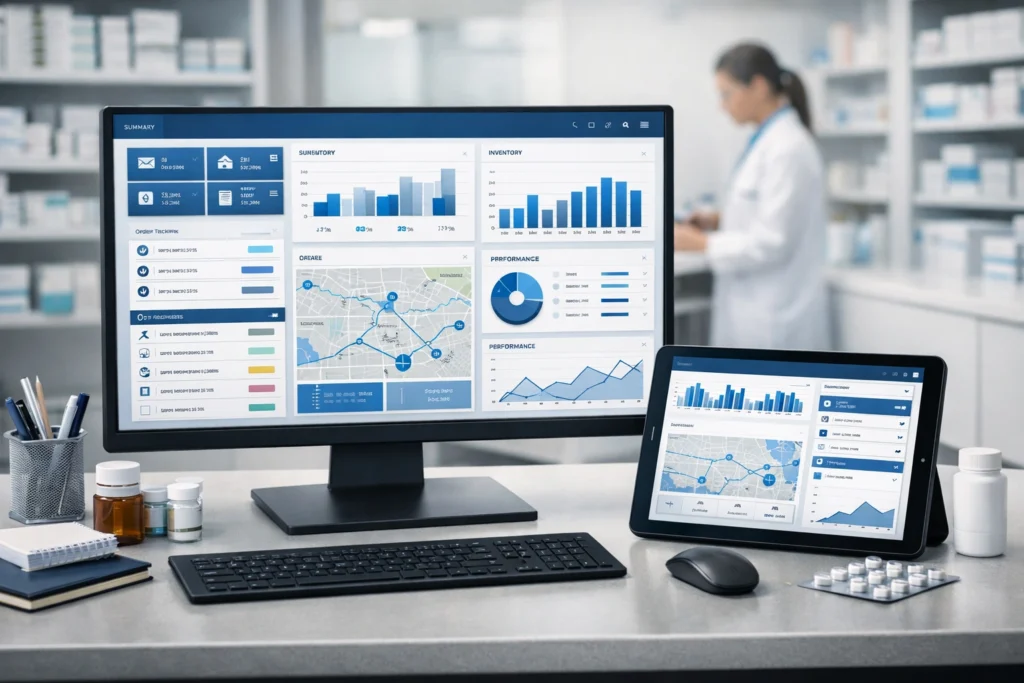
Technology forms the backbone. An order management system pulls in requests from multiple apps, queues them logically, and tracks preparation times. Inventory software monitors stock levels, alerting for reorders to avoid shortages during peaks. Delivery integration optimizes routes, reducing wait times that frustrate customers. These tools create a rhythm where orders flow without chaos, allowing a small team to handle high volumes.
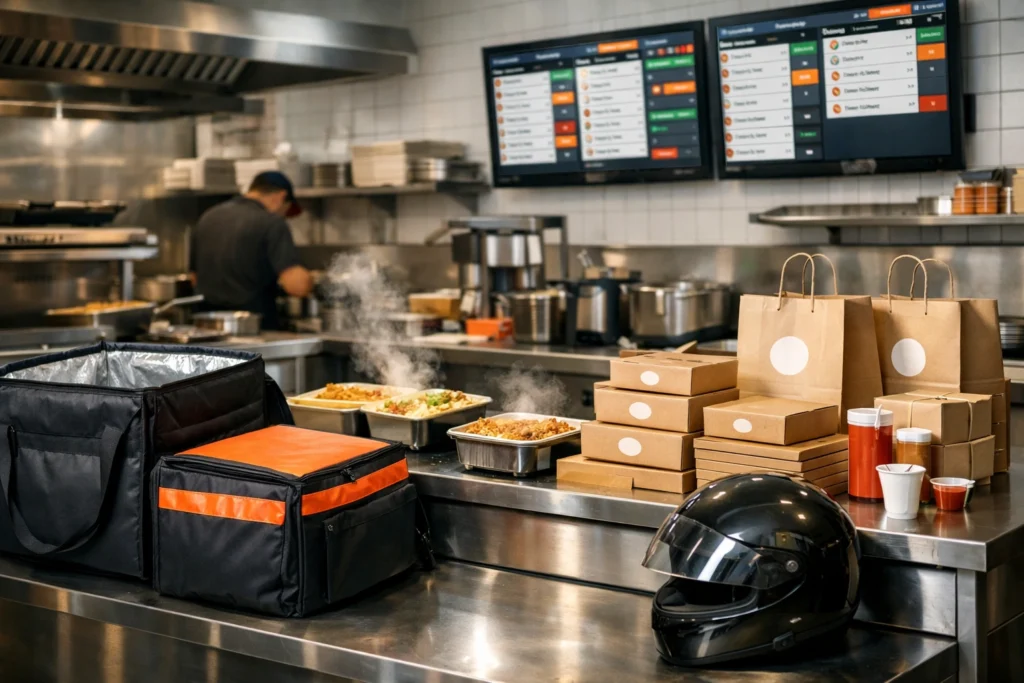
Staffing stays lean, with cooks skilled in quick assembly rather than elaborate presentation. Training emphasizes consistency; every burger or curry must taste identical across orders. Packaging choices protect flavor and texture, using insulated bags for hot items and secure seals for sauces. This setup lets a cloud kitchen process dozens of meals hourly, far outpacing traditional spots tied to table service.
Types of Cloud Kitchen Models
Cloud kitchens vary by scale and ownership, each fitting different goals. We break them down to help choose the right path.
Single-Brand Cloud Kitchen
This straightforward model dedicates one kitchen to a single delivery brand. Orders arrive via apps or a website, chefs prepare focused menus optimized for travel, and drivers collect from a handoff area. Simplicity shines here; operators refine recipes without juggling multiple cuisines. Startups favor it for low entry barriers, needing just licensing, basic gear, and a viable concept in high-demand zones.
Pros include full menu control and brand identity. Menus limit to 10-15 items, emphasizing high-margin dishes like bowls or wraps that pack well. In Germany, this works well in cities like Berlin, where apartment dwellers order frequently. Drawbacks involve scaling limits; growth means new sites, raising costs.
Multi-Brand Cloud Kitchen
Here, one facility supports several brands, sharing ovens, fridges, and staff. A burger line runs alongside sushi prep, all under distinct online profiles. Resource pooling slashes expenses: bulk buys cut ingredient costs 20-30%, and cross-trained teams handle volume spikes.
Efficiency peaks with zoned layouts; each brand claims a station during shifts. Software assigns orders by brand, preventing mix-ups. Examples like shared spaces in the US inspire European adaptations, where operators test concepts rapidly. Flexibility allows market testing; drop underperformers without waste.
This model suits ambitious runners aiming for diverse revenue. Challenges include maintaining quality across cuisines and coordinating peaks, but data analytics smooth operations.
| Model Aspect | Single-Brand | Multi-Brand |
|---|---|---|
| Kitchen Use | Exclusive to one menu | Shared across brands |
| Startup Cost | Lower equipment needs | Higher initial setup |
| Scalability | Site-by-site expansion | Add brands easily |
| Menu Focus | Narrow, specialized | Broad variety |
| Risk Level | Concentrated on one idea | Spread across options |
Delivery Platform-Owned Cloud Kitchens
Platforms like Uber Eats run these, baking and dispatching via their fleets. Brands license menus, gaining instant reach but ceding some control. Quick rollout suits new entrants; tech handles logistics.
Shared Kitchen or Co-Working Spaces
Rent space in a hub kitchen, accessing pro equipment without full commitment. Ideal for testing; pay per use, split utilities. Suits seasonal or small operations in Germany’s regulated market.
Hub-and-Spoke Cloud Kitchen
A central hub preps bases, spokes finish near customers. Scales city-wide, but logistics demand precision.
Hybrid Model for Existing Restaurants
Add a delivery-only brand to your dine-in kitchen. Use idle hours for virtual lines like gourmet sandwiches, boosting revenue without extra space.
Startup Costs and Financial Realities
Launching a cloud kitchen demands calculated investment. Expect 50,000-150,000 euros initially in Germany, covering rent in industrial zones (cheaper than retail), equipment (30,000 euros for basics), and licensing (food handler certs, health inspections). Monthly overheads hit 10,000-20,000 euros: utilities, ingredients (25-35% of sales), staff wages.
Revenue streams mix third-party apps (20-35% commissions, instant customers), own websites (higher margins), and catering. Break-even arrives in 6-12 months with 100 daily orders at 15 euros average. Profit margins reach 15-25% after optimizing.
- Track food costs tightly; aim under 30% via portion control.
- Negotiate supplier deals for volume discounts.
- Use promotions data-driven, targeting slow periods.
Daily Operations in a Cloud Kitchen
Operations pulse with precision. Mornings stock inventory, prep sauces and proteins. Peaks hit evenings; OMS prioritizes urgent orders. Chefs assemble in assembly-line style, packers seal with labels. Drivers arrive on schedule, tracked via GPS.
Quality control checks temperatures, tastes samples. Waste minimization shares ingredients across brands, composting scraps. Cleaning follows strict protocols, especially post-shift.
Data reviews nightly: top sellers guide menu tweaks. Customer feedback via apps refines offerings, building loyalty.
Marketing a Delivery-Only Brand
Build visibility digitally. Optimize app profiles with vivid photos, accurate times. Social media shares behind-scenes prep, customer stories. Email lists nurture repeats with exclusives.
SEO for your site draws direct orders, escaping commissions. Partnerships with influencers in local scenes amplify reach. Consistent branding across platforms fosters recognition.
Legal and Regulatory Considerations in Germany and the EU
Compliance anchors success. Register as a food business with local health offices, secure hygiene certifications. EU food safety rules demand traceability, allergen labeling. Delivery packaging must eco-comply, favoring reusables.
Labor laws cap shifts, mandate breaks. VAT on meals requires accurate tracking. Data protection under GDPR protects customer info from apps.
Insurance covers liability, spoilage. Zoning restricts to commercial areas, avoiding residential noise complaints.
Technology Driving Cloud Kitchen Success
OMS unifies platforms, forecasts demand. POS integrates payments, analytics. AI predicts inventory, routes. Apps for staff communication speed tasks.
Challenges and Solutions in Running a Cloud Kitchen
High competition demands standout flavors. Solution: unique twists, like regional German fusions.
Delivery delays erode trust; partner reliable fleets, buffer times.
Staff turnover; invest training, fair pay.
Peak overloads; staff flexibly, automate where possible.
How Do I Start a Cloud Kitchen?
Begin with market research: survey app data for gaps in your area. Secure a compliant space, equip basics. Develop a tight menu, test recipes. Launch on two apps, monitor metrics. Scale with data.
What Are the Main Advantages of a Cloud Kitchen Model?
Lower costs free capital for quality ingredients, marketing. Faster profitability rewards agility. Flexibility tests ideas without risk. Data insights sharpen decisions continuously.
Is a Cloud Kitchen Profitable in Germany?
Yes, with dense populations and delivery habits. Margins improve post-commissions via direct channels. Success hinges on location, efficiency, demand alignment.
How Does a Cloud Kitchen Differ from a Ghost Kitchen?
Terms overlap; cloud kitchen emphasizes shared, scalable ops, ghost kitchen any delivery-only setup. Both skip dine-in, focus fulfillment.
Can I Run Multiple Brands from One Cloud Kitchen?
Absolutely. Shared resources boost efficiency, diversify appeal. Manage with zoning, software.
What Equipment Do I Need for a Cloud Kitchen?
Essentials: combi ovens, blast chillers, mixers, fridges. Prioritize durable, high-volume gear fitting space.
In summary, the cloud kitchen model offers a smart way to run a delivery brand, leveraging efficiency for sustainable growth. We encourage exploring this path, armed with planning and adaptation.